

When bark shedding is natural
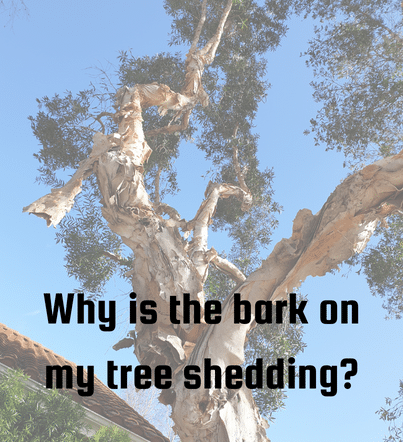
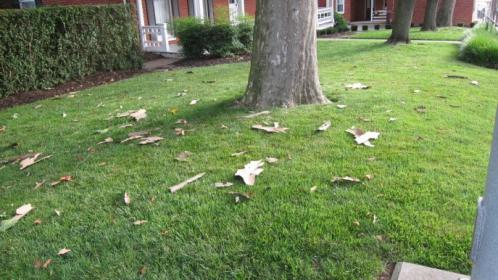
In recent weeks when I walk around Westchester I have noticed many trees that are rapidly shedding their bark. Admittedly, this can look very alarming, but the truth is that in most cases it is a completely natural occurrence. The most common cause of bark shedding, which is in fact very logical, is that the tree is preparing for growth, and needs to let its existing bark fall off in order to give the trunk room to grow. “But my tree is very old”, you say, “why is this the first time I’ve seen this happen?” Younger trees have thinner, more flexible bark with a certain level of elasticity to it. Up until a certain age, a tree can slowly grow, expand its trunk, and the bark will just stretch along with it. However, the bark on older trees is a bit thicker, dryer and weaker. As the trunk expands, chunks of bark tend to peel off one by one leaving a messy pile of bark peels on your lawn.
If you have one of the following trees with no other recognizable problems, chances are the shedding bark you are seeing is of no concern, as these trees are known to exhibit bark peeling:
- Silver maple.
- Birch.
- Sycamore.
- Redbud.
- Shagbark hickory.
- Scotch pine.
When it is cause for concern
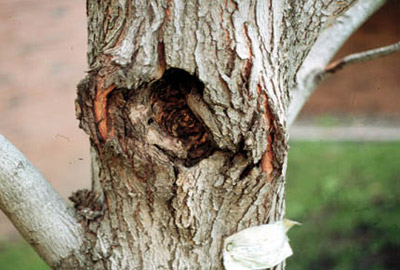
Another common reason for bark shedding poses more of a concern, and that is a fungal infection. Cankers, are any kind of open wound that has penetrated through the bark and left the interior of the tree exposed to fungal or bacterial infection. Canker infections or diseases are easily recognizable with a defined indent or lesion and a reddish or brownish discoloration on the bark. As the tree responds to the fungal infection, it works to eliminate the infected portions which can lead to falling branches and limbs. Also, since the canker disease enters the tree through the bark and spreads beneath it, you will often see bits of infected bark falling off as it separates itself from the healthier tree tissue inside.
If a canker infection is discovered on a branch, the best treatment would be to remove the infected branch. Treatment becomes a bit more difficult when the canker is discovered on the trunk. There is no chemical that’s been proven effective at eliminating the fungal disease from a tree, plus the fungus can very easily spread to neighboring trees so it’s important that you enlist a certified arborist to advise you on the proper treatment method.
For a free tree inspection by a board certified arborist call us at 914-725-0441.