


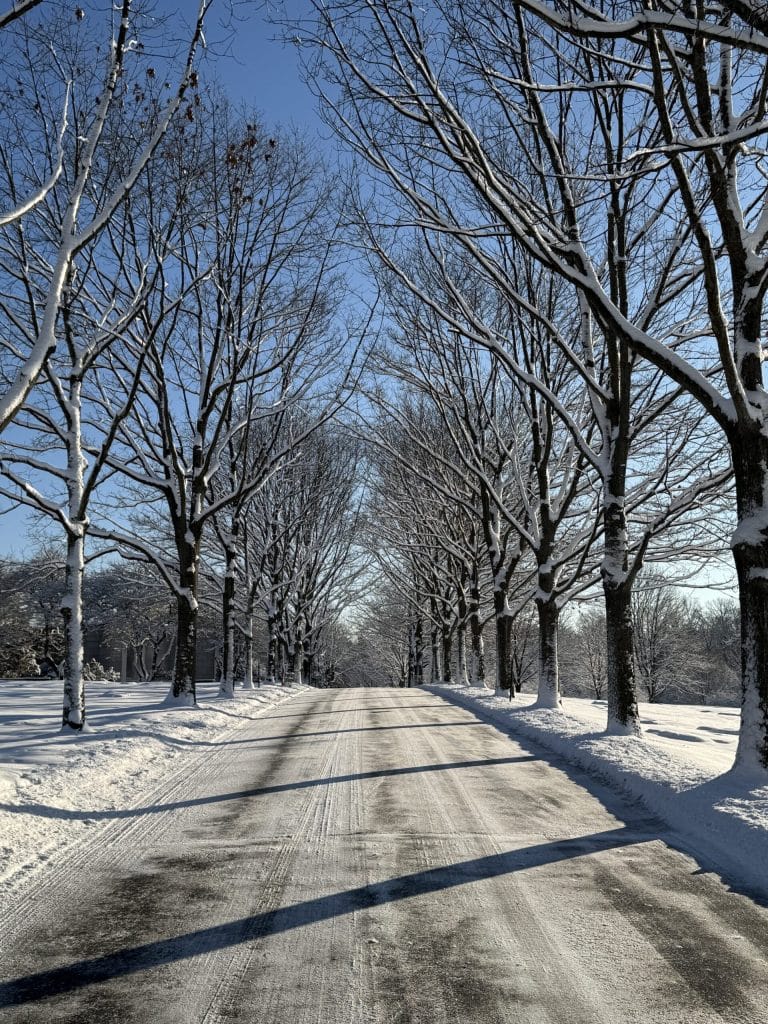
Winter storms are a fact of life this time of year, but the damage they cause to trees and shrubs doesn’t have to be. Snow, ice, and strong winds place ongoing stress on landscapes throughout winter, especially when trees already have hidden weaknesses or prior damage.
Understanding the risks, and taking proactive steps, can significantly reduce the likelihood of property damage, plant loss, and costly emergency work.
Why Winter Storms Are So Hard on Trees
Even healthy-looking trees can be vulnerable during winter weather events. Common winter stressors include:
- Heavy snow accumulation that weighs down branches
- Ice buildup that increases load and rigidity
- Strong winds that exploit weak branch attachments
- Previously damaged or diseased limbs that fail under pressure
These conditions often lead to limb failure, split branches, or, in severe cases, entire tree failures—posing risks to homes, vehicles, and personal safety.
Trees and Shrubs Most at Risk During Winter Storms
Some plants are more susceptible to winter storm damage than others, including:
- Evergreens with dense branching (such as arborvitae and hollies)
- Trees with co-dominant stems or poor structure
- Mature trees with internal decay or past storm damage
- Newly planted or stressed trees and shrubs
Because many defects are not visible from the ground, problems often go unnoticed until a storm exposes them.
The Value of Proactive Winter Inspections
Proactive monitoring is one of the most effective ways to reduce winter storm damage. Inspections by an ISA Certified Arborist can identify:
- Weak branch unions
- Structural imbalances
- Dead or declining limbs
- Trees at higher risk of failure near structures or walkways
For active Plant Health Care (PHC) clients, our team continues to inspect properties throughout the winter and make proactive recommendations to help reduce the risk of ice, wind, and snow damage.
For non-PHC clients, a pre-storm or mid-winter inspection can still provide valuable insight and preventative options before conditions worsen.
What You Can Do After a Winter Storm
Once a storm has passed, a few careful steps can help limit additional damage:
- Gently brush heavy snow off branches from the bottom up
- Avoid shaking frozen limbs, which can snap easily
- Watch for hanging or cracked branches and keep clear of them
- Contact a professional if you notice leaning trees or structural damage
Never attempt to remove large limbs or address storm damage without proper training and equipment.
How Emerald Tree & Shrub Care Can Help
Our ISA Certified Arborists offer expert winter storm risk management, including:
- Tree risk assessments
- Structural pruning recommendations
- Storm damage evaluations
- Ongoing Plant Health Care monitoring
- Emergency and post-storm guidance
Whether you’re actively enrolled in PHC or simply want peace of mind during winter storms, our team can help you make informed decisions to protect your landscape.
Protect Your Landscape—All Winter Long
Winter isn’t a time to pause tree care—it’s a critical season for prevention. Addressing risks now helps ensure healthier growth, improved appearance, and fewer surprises when spring arrives.
📞 Call us at (914) 725-0441
Healthy landscapes don’t happen by accident.
They happen with Emerald.