


Organic Mosquito Control in NY & CT
Mosquitoes are common, flying insects that live in most parts of the world. Over 3,500 types of mosquitoes can be found worldwide. Over 200 types of mosquitoes live in the continental United States and the US territories
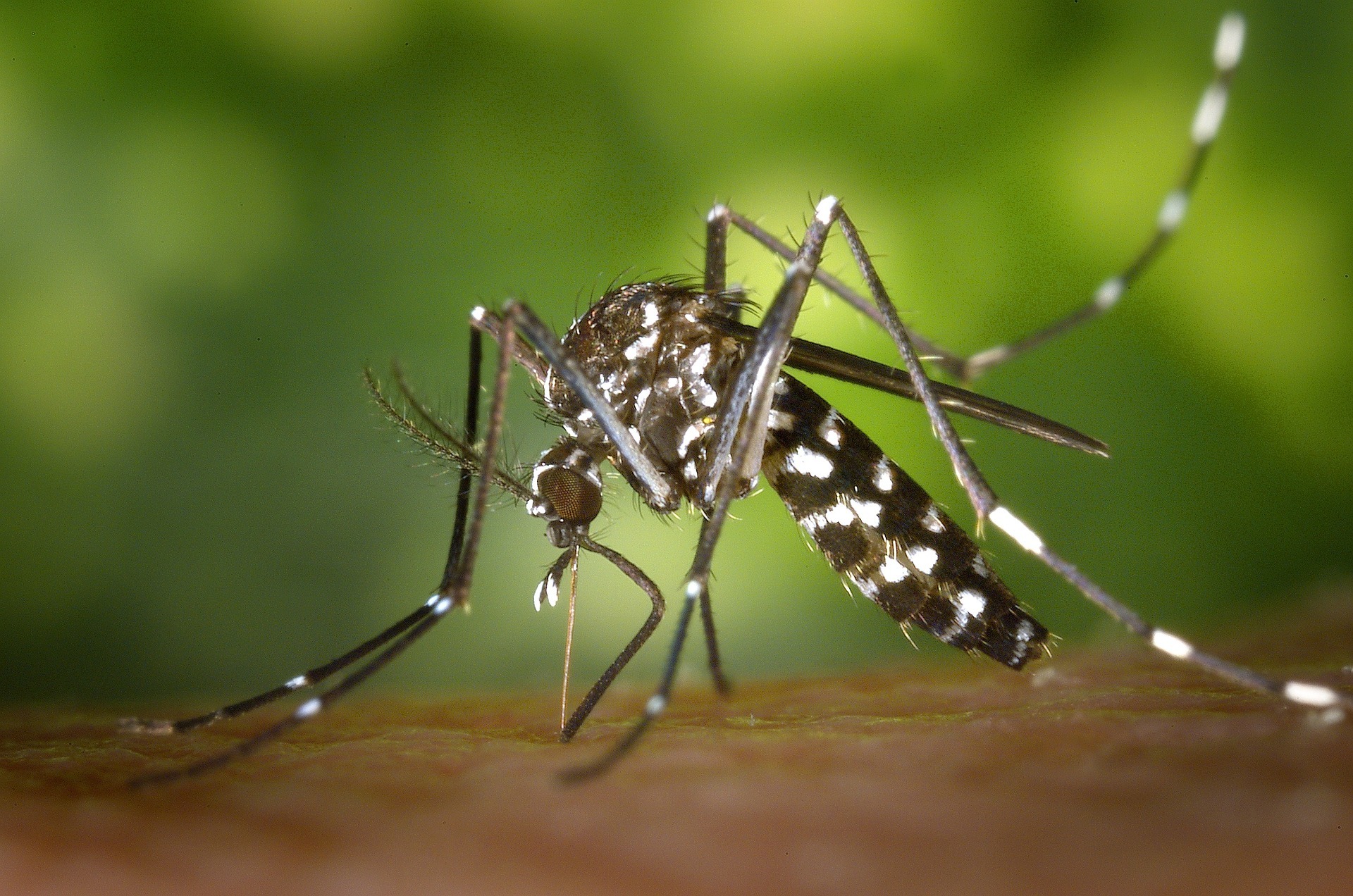
Some mosquitoes can be vectors. A vector is an animal, insect, or tick that spreads pathogens (germs) to people and animals. The germs (viruses and parasites) that mosquitoes spread can make you sick.
Why Mosquito Control Is Needed?
Common Diseases Spread By Mosquitos
West Nile
This virus can cause high fevers, headaches, muscle weakness, vision loss, and more. Individuals over the age of 60 are at greater risk.
Zika
This virus is spread through the bites of Aedes mosquitoes. Those who do get sick usually experience mild symptoms, including fever, rash, joint pain, and red eyes.
Eastern Equine Encephalitis (“EEE”)
This virus is very rare but serious. It occurs four to ten days after a person has been infected, with symptoms including fever, tiredness, headaches, neck stiffness, and more.
Stop the Spread
Emerald uses an integrated mosquito management (IMM) approach in New York & CT. IMM uses a combination of methods to prevent and control both nuisance mosquitoes and mosquitoes that spread viruses like dengue, West Nile, Zika, and others. Mosquito control plans include controlling mosquito populations before people start getting sick with a virus spread by mosquitoes.
IMM uses methods to control mosquitoes based on an understanding of mosquito biology, the mosquito life cycle, and the way mosquitoes spread viruses. When used correctly, the methods are safe and have been scientifically proven to reduce mosquito populations.
Targeted spray applications
Emerald’s all-natural mosquito and tick control spray is a blend of soybean, lemongrass, and other essential oils.
Spray applications are just one type of treatment. We specifically treat mosquitoes and ticks to eliminate them.
What is Integrated Pest Management?
Integrated Pest Management (IPM) is an effective and environmentally sensitive approach to tick and mosquito control. IPM programs use current, comprehensive information on the life cycles of pests and their interaction with the environment. This information, in combination with available pest control methods, is used to manage pest damage with the least possible hazard to people, property, and the environment.